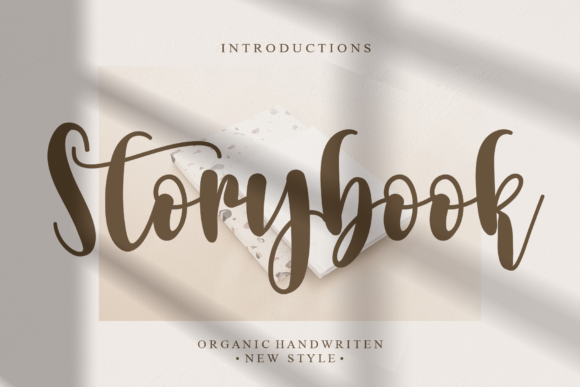
Storybook Font for Professional Branding
As a small business owner, I know how important it is to create a brand that feels consistent, professional, and trustworthy. One of the simplest yet most powerful tools I’ve found is the Storybook font. It’s a lovely, handwritten typeface that adds a personal touch to any design while maintaining a polished look. Whether you're working on a logo, packaging, or social media content, Storybook can help elevate your brand's visual identity.
Storybook is part of the Script Amp collection, which offers a range of script fonts designed for creative professionals. This particular font has a soft, flowing style that feels warm and approachable. Each letter carries a unique, handcrafted feel that makes your brand stand out without being too flashy. It’s perfect for businesses that want to convey authenticity and creativity in their messaging.
Using Storybook in Real Business Materials
From logos to product labels, Storybook can be used across a wide range of materials. For example, if you run a bakery, using Storybook for your logo or menu headings can give your brand a friendly, artisanal vibe. The same goes for handmade candle labels or beauty product packaging—Storybook adds a touch of elegance that aligns with the quality of your products.
It also works well on business cards, thank-you cards, and stickers. These small but frequent touchpoints are great opportunities to reinforce your brand. When customers see the same font consistently, it helps build recognition and trust. Storybook’s readable yet expressive style ensures that even on small labels or mobile screens, your message comes through clearly.
When to Use Storybook as a Display Font
Storybook is best used as a display font or headline typeface. It shines when used for titles, logos, and short phrases where visual impact matters most. However, it’s not ideal for long blocks of text due to its cursive style. That’s why I often pair it with a clean sans serif or serif font for body copy. This combination keeps your designs looking professional while still feeling creative.
For instance, if you’re designing a website banner, you might use Storybook for the main headline and a modern sans serif like Arial or Helvetica for the supporting text. This pairing creates a balanced look that’s both stylish and easy to read. Similarly, for social media graphics, Storybook can be used for captions or headlines, while a simpler font handles the details.
Testing Storybook Before Full Implementation
Before committing to a font for your entire brand, it’s wise to test it in different contexts. I recommend creating a few sample designs—like a business card, packaging mockup, or social media post—and seeing how Storybook looks in each. Pay attention to how it appears on different devices and print materials. This step can save you from potential issues down the line.
Also, consider how the font aligns with your brand’s personality. If your business has a more formal or minimalist style, Storybook may not be the best fit. But if you’re aiming for a warm, creative, or personal brand identity, this font could be a great choice.
Font Pairing Tips for Small Businesses
Pairing Storybook with other fonts can enhance your overall design. A common strategy is to use it as an accent font alongside a more neutral typeface. For example, a coaching business might use Storybook for a headline on a landing page and a clean sans serif for the body text. This contrast draws attention to key messages without overwhelming the reader.
If you’re designing a café menu, you might pair Storybook with a classic serif font like Georgia or Times New Roman. This combination gives your menu a timeless, inviting feel. On the other hand, for a digital ad or Instagram post, pairing Storybook with a modern sans serif like Open Sans or Lato can create a fresh, contemporary look.
Understanding Commercial Font Licensing
One thing I always remind myself is to check the commercial licensing terms for any font I use. Storybook, like many premium fonts, may have specific restrictions on how it can be used. Make sure you understand whether it’s allowed for product packaging, templates, merchandise, or client work. Some fonts require additional licenses for these purposes, so it’s important to review the terms before finalizing your designs.
By choosing the right font and using it appropriately, you can make a big difference in how your brand is perceived. Storybook isn’t just a pretty font—it’s a tool that helps you communicate your brand’s values and personality in a clear and appealing way.
Whether you’re starting a new business or rebranding an existing one, investing in the right typography can have a lasting impact. Storybook offers a versatile, elegant solution that works across multiple platforms and materials. With careful use and smart pairing, it can help your brand feel more cohesive, professional, and memorable to your customers.