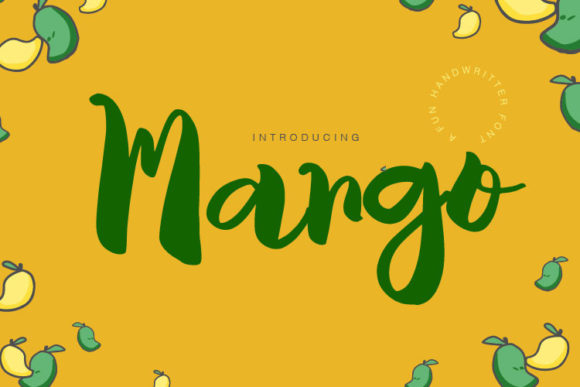
Mango: A Refined Script Font for Business Branding
It was a busy morning at the bakery, and I was finalizing the design for a new line of artisanal pastries. The packaging needed to feel fresh, elegant, and inviting—something that would catch the eye of customers walking through the door. That’s when I remembered Mango, a script font I had come across in the Script Amp collection. It felt like the perfect fit for the brand’s new look.
The Personality of Mango
Mango is more than just a font—it’s a statement. Its flowing curves and refined structure give it a sense of sophistication that feels both modern and timeless. It’s not overly ornate, but it has enough character to stand out without being distracting. The stylish alternates and ligatures add a touch of uniqueness, making it ideal for logos, headlines, and decorative text.
What sets Mango apart is its balance. It’s not too casual for a professional setting, nor is it too formal for a creative brand. It works well in both digital and print formats, which is a big plus for small businesses that need consistency across all their materials.
Real-World Applications for Small Businesses
I tested Mango on a few different projects, from product labels to social media graphics. For a local candle seller, I used it on the label of a new lavender-scented jar. The font added an air of luxury that matched the product’s premium positioning. On a café menu, it made the headings feel more dynamic and engaging, drawing attention to the featured dishes.
For a handmade jewelry boutique, I paired Mango with a clean sans serif for body text. The contrast worked beautifully, creating a visual hierarchy that guided the reader’s eye while maintaining a cohesive look. The font also shone on thank-you cards, where its elegance helped reinforce the brand’s personality and attention to detail.
How Mango Enhances Brand Perception
Typography plays a huge role in how a business is perceived. A well-chosen font can make a brand feel more polished, trustworthy, and memorable. Mango does exactly that. Its smooth lines and balanced spacing make it easy to read, even on small labels or mobile screens. This is especially important for businesses that rely on printed materials, such as packaging or product tags.
When used consistently across all brand assets, Mango helps create a unified visual identity. Whether it’s on a website banner, Instagram post, or business card, it reinforces the brand’s message and style. This consistency builds recognition and trust with customers over time.
Best Practices for Using Mango
Mango excels as a display font, making it ideal for headlines, logos, and short phrases. It’s not the best choice for long paragraphs of text, but when used strategically, it adds a touch of class to any design. For example, using it on a product title or a promotional tagline can elevate the overall look of a design without overwhelming the reader.
When working with small labels or mobile-friendly designs, it’s important to keep the font size and spacing in mind. Too small, and the details may get lost; too large, and it can feel cluttered. Testing different sizes and layouts helps ensure readability while maintaining the font’s aesthetic appeal.
Pairing Mango with Other Fonts
One of the strengths of Mango is its versatility. It pairs well with a variety of other fonts, depending on the desired effect. For a more modern look, pairing it with a clean sans serif like Helvetica or Montserrat creates a balanced and professional appearance. For a more traditional feel, combining it with an elegant serif font like Georgia or Playfair Display adds depth and character.
If the brand has a more casual or artistic vibe, pairing Mango with a handwritten font can create an organic, personal feel. The key is to maintain contrast while keeping the overall design cohesive. Experimenting with different combinations helps find the right tone for the brand.
Before using Mango on any project, it’s worth checking the included styles, file formats, and licensing terms. Making sure the font is properly licensed for commercial use is essential, especially if it’s being used on products, packaging, or client work. Multilingual support is also a consideration for businesses targeting international audiences.