Ethylene: A Timeless Handwritten Font
There’s something about the right font that can transform a simple headline into a statement. It’s not just about aesthetics—it’s about mood, clarity, and how a design speaks to its audience. When I was redesigning the header for my lifestyle blog, I found myself drawn to Ethylene, a handwritten script font that felt both refined and approachable. Its soft curves and gentle strokes offered a warmth that matched the tone of the content, making it perfect for a brand that values authenticity and connection.
The Visual Character of Ethylene
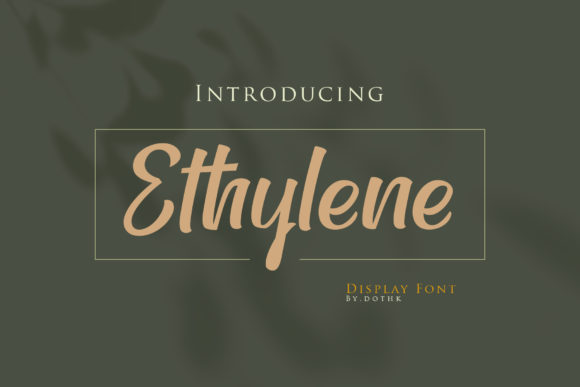
Ethylene carries a distinct personality—elegant yet unpretentious, with a rhythm that feels natural rather than forced. Each letter is crafted with care, giving the typeface a sense of individuality that stands out in a sea of generic fonts. The subtle variations in stroke weight and the fluidity of the letters create a visual flow that feels like a handwritten note, inviting readers to engage more deeply with the content.
Its visual appeal lies in the balance between structure and spontaneity. Unlike some script fonts that can feel too ornate or difficult to read, Ethylene maintains a level of legibility that makes it suitable for a range of editorial uses. Whether it’s a bold title or a delicate pull quote, the font retains its character without overwhelming the reader.
Real-World Applications
I first tested Ethylene in a recipe ebook project, where the goal was to create a warm and inviting tone. Using it for the cover title and chapter headings gave the publication a personal touch that resonated with readers. The font’s organic feel complemented the homey, comforting nature of the content, making it an ideal choice for a cookbook that aimed to feel like a trusted friend.
In another instance, I used Ethylene for a wedding guide, where the font’s elegance and grace aligned perfectly with the theme. It worked especially well for section headers and pull quotes, adding a touch of sophistication without disrupting the readability of the text. The font also proved useful in a printable planner, where its softness helped create a calming and organized layout.
Readability and Practical Considerations
While Ethylene excels as a display font, it’s important to consider its limitations when it comes to longer reading passages. Its expressive nature makes it less suited for body copy, especially in small sizes or dense paragraphs. However, when used strategically—such as in headlines, subheadings, or decorative accents—it enhances the overall visual hierarchy and reinforces the brand’s identity.
For digital publications, the font performs well on screens, though it’s best to pair it with a more structured typeface for body text. In print materials, Ethylene adds a unique flair that can elevate packaging design, signage, or promotional materials. For web use, ensuring that the font is properly embedded and optimized for different devices is key to maintaining its visual integrity.
Pairing Ethylene with Other Fonts
One of the strengths of Ethylene is its versatility when paired with other typefaces. In editorial design, it pairs beautifully with a clean sans serif for captions and navigation, or with a classic serif font for body copy. This contrast helps maintain readability while allowing the script font to shine in its intended role.
For example, in a digital magazine layout, I used Ethylene for the main article titles and paired it with a modern sans serif for the body text. The result was a balanced composition that guided the reader through the content while maintaining a cohesive aesthetic. Similarly, in a coaching workbook, Ethylene added a personal touch to section headers, while a simpler font kept the instructions clear and easy to follow.
Considerations for Commercial Use
Before integrating Ethylene into any project, it’s essential to review the font’s licensing terms, especially if it’s being used for commercial purposes such as ebooks, templates, or client work. Checking for included styles, alternates, and ligatures ensures that the font will function as expected across different platforms and formats.
Additionally, considering multilingual support is crucial if the content includes languages beyond English. While Ethylene may offer basic support, verifying its availability for specific scripts can prevent unexpected issues down the line.
Ethylene isn’t just a font—it’s a design tool that brings personality and purpose to editorial projects. Whether you’re crafting a blog header, designing a recipe ebook, or creating a wedding guide, this handwritten script offers a timeless quality that can elevate your work. With its thoughtful design and practical applications, Ethylene is a valuable addition to any designer’s toolkit, offering both beauty and functionality in equal measure.